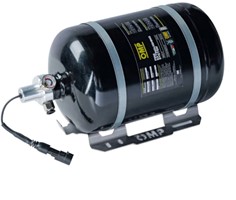
FIA Fire Suppression Systems for Racing and Rally Cars
Fire protection is an essential part of preparing a competition vehicle for motorsport. Racing engines, fuel systems and hot mechanical components operate under demanding conditions, making suitable fire safety equipment particularly important. FIA fire suppression systems provide a permanently installed solution for directing extinguishing agent towards designated areas of a racing vehicle when activated.
The Autosport Company supplies motorsport fire suppression systems for circuit racing, rallying, rally raid and other competitive applications. Our selection includes electrically and mechanically activated systems, different cylinder materials and capacities, and specialist installations developed for particular vehicle configurations. Choosing the correct system requires careful consideration of FIA homologation, extinguishing agent, cockpit dimensions and competition regulations.
What Is a Plumbed-In Fire Extinguisher System?
A plumbed-in fire extinguisher system consists of an extinguishing cylinder connected to a dedicated network of discharge pipes and nozzles. Unlike a portable fire extinguisher, the complete installation remains permanently mounted inside the competition vehicle.
When activated, the system releases its extinguishing agent through the connected pipework towards the prescribed discharge locations. Depending on the approved configuration, these may include areas within the engine compartment, cockpit or other specified sections of the vehicle.
The main components of a typical motorsport fire suppression system include:
- An extinguishing cylinder containing the specified agent.
- An electrical or mechanical activation mechanism.
- Discharge tubing and compatible connecting fittings.
- Nozzles designed for the approved extinguishing arrangement.
- Internal and external activation controls where required.
- Suitable cylinder mounting brackets and retaining hardware.
Components and quantities vary between individual systems. The complete installation must follow the manufacturer's approved layout to maintain its intended performance.
Electrically Activated Motorsport Fire Suppression Systems
Electric fire suppression systems use a dedicated electrical circuit to activate the extinguishing mechanism. Depending on the design, the installation may include a control unit, wiring harness, activation buttons and electrically operated release components.
These systems are used across several motorsport disciplines and are available for different vehicle sizes and technical requirements.
When comparing electric extinguishing systems, important considerations include the approved homologation, installation arrangement, electrical requirements and the positioning of activation switches.
All electrical components must be compatible with the specific suppression system. Installation and functional checks should be carried out according to the manufacturer's instructions.
Mechanical Racing Fire Extinguishers with Pull-Cable Activation
Mechanically activated fire suppression systems typically operate through dedicated pull cables connected to the extinguisher release mechanism. Pulling the appropriate handle activates the system without requiring an electrical power supply.
Mechanical systems are commonly used in racing and rally vehicles where a straightforward activation arrangement is preferred. Depending on the competition regulations, separate controls may be required inside and outside the vehicle.
Correct cable routing is essential. Sharp bends, excessive friction or incorrectly adjusted mechanisms can interfere with operation. The cables and activation components must be installed according to the approved instructions.
Neither mechanical nor electrical activation is automatically the best solution for every car. The correct choice depends on the competition rules, vehicle configuration and the approved system design.
FIA Homologation and Motorsport Fire Extinguisher Standards
Fire suppression equipment used in official motorsport competition must comply with the relevant technical regulations. Different racing categories may require systems included in particular FIA technical lists.
Two important references for plumbed-in motorsport extinguishing systems are:
- FIA Technical List 16: a list of fire extinguisher systems homologated under the applicable FIA standard for plumbed-in extinguishing systems in competition cars.
- FIA Standard 8865-2015 and Technical List 52: an advanced homologation framework for approved plumbed-in fire extinguishing systems.
A system appearing on an FIA technical list is not necessarily suitable for every championship. The exact requirements depend on the competition category and current regulations.
For FIA 8865-2015 systems, the approved application may specify particular fuel classes and a defined cockpit volume range. These details must be taken into account when selecting equipment for a particular vehicle.
Always check the homologation number, manufacturer's documentation and applicable competition rules before purchasing or installing a racing fire extinguisher system.
Fire Suppression Systems for Different Racing Applications
Competition vehicles differ significantly in size, fuel type and construction. This means that the most suitable extinguishing system for a compact circuit car may not be appropriate for a large rally raid vehicle or a specialised racing prototype.
Circuit Racing Fire Suppression Systems
For touring cars, GT vehicles and other circuit racing applications, a suitable plumbed-in system can provide a dedicated extinguishing arrangement for the approved areas of the car.
Selection should consider the required homologation, cockpit volume, fuel type and the manufacturer's prescribed nozzle installation.
Rally Car Fire Extinguisher Systems
Rally vehicles operate on demanding surfaces and are exposed to vibration, repeated impacts and rapidly changing driving conditions. Secure mounting, reliable activation and protected pipework are therefore important installation considerations.
Both mechanical and electrical extinguishing systems are available for eligible rally applications. The accepted certification and installation requirements depend on the relevant championship.
Rally Raid and Dakar Fire Suppression Systems
Cross-country racing and Dakar-style events may require specialist fire protection equipment, particularly for vehicles with larger cabin dimensions or additional areas of fire risk.
Some approved applications use multiple extinguishing cylinders or specialised system arrangements. The correct configuration must be selected according to the relevant vehicle class, cockpit volume and homologation requirements.
Fire Suppression Equipment for Electric and Hybrid Racing Cars
Electric and hybrid competition vehicles introduce additional considerations relating to high-voltage electrical systems, vehicle design and potential fire hazards.
Specialist fire suppression systems are available for certain electric and hybrid motorsport applications. These systems must be selected according to their documented approval and the requirements of the intended vehicle.
It is important to distinguish between a system approved for installation in an electric or hybrid race car and equipment specifically tested for a high-voltage battery fire. Suitability for one application does not automatically confirm effectiveness against battery thermal runaway.
Always consult the system manufacturer's technical documentation and the relevant competition safety regulations before selecting equipment for an electric or hybrid vehicle.
Extinguishing Agents, Cylinder Capacity and Construction
Racing fire suppression systems use different extinguishing agents depending on their design and homologation. Selected systems use specialised liquid agents, while others rely on gaseous extinguishing media.
The type and quantity of agent are important elements of the approved installation. A system designed for one fuel class or cockpit size may not provide the specified protection for another application.
Extinguisher cylinders are also available in different materials, including steel and aluminium. Aluminium designs may offer weight advantages, while steel construction provides another option depending on packaging, weight and cost requirements.
When comparing products, consider the complete system weight rather than the cylinder material alone. The extinguishing agent, brackets and additional installation components all contribute to the final weight.
A larger cylinder is not automatically a better choice. The capacity and discharge configuration must match the homologated system and intended vehicle.
Installing a Plumbed-In Racing Fire Extinguisher
Correct installation is essential for the intended operation of any motorsport fire suppression system. The cylinder mounting position, pipework arrangement, discharge nozzle orientation and activation controls must correspond to the manufacturer's approved installation instructions.
Important installation requirements include:
- Mounting the cylinder securely using the specified brackets.
- Using the correct discharge tubing and approved connectors.
- Positioning each nozzle according to the installation diagram.
- Protecting pipework against heat, vibration and mechanical damage.
- Installing electrical or mechanical activation controls correctly.
- Ensuring external activation points are accessible and identified as required.
- Checking the system using the manufacturer's prescribed procedures.
Changes to the number of nozzles, tubing arrangement or other approved components can affect the system's operation and homologation compliance.
For compatible installation components, explore our fire extinguisher accessories.
Fire Extinguisher Inspection and Servicing
Maintaining a motorsport fire suppression system is essential for continued reliability and compliance with competition requirements. Even if the extinguisher has never been discharged, periodic inspection and servicing may still be required.
The maintenance schedule depends on the manufacturer, homologation, system age and applicable motorsport regulations. Drivers and teams should regularly review the system's service status and the documentation supplied with the equipment.
The Autosport Company is authorized by OMP Racing to maintain eligible OMP fire extinguishers and suppression systems. Depending on the specific equipment and its condition, inspection, servicing and refilling may be available.
Visit our fire extinguisher inspection and servicing category for further information about the available services.
Frequently Asked Questions About FIA Fire Suppression Systems
Which fire suppression system do I need for my racing car?
The required system depends on the championship, vehicle category and applicable technical regulations. Some competitions accept systems from FIA Technical List 16, while others require equipment homologated to FIA 8865-2015. Always check the current regulations before ordering.
What is the difference between electric and mechanical fire suppression?
An electrical system uses a dedicated electrical activation circuit, while a mechanical system is generally operated through pull cables. Both types can be suitable for competition vehicles when correctly approved, installed and maintained.
What does FIA 8865-2015 mean?
FIA 8865-2015 is a homologation standard for specified plumbed-in motorsport fire suppression systems. Approved models are included in FIA Technical List 52. Their permitted applications may depend on fuel classification and cockpit volume.
What is the difference between FIA Technical Lists 16 and 52?
Technical List 16 identifies systems homologated according to the relevant FIA standard for plumbed-in extinguishers. Technical List 52 covers systems homologated to FIA 8865-2015. The correct standard is determined by the applicable competition rules.
Does every fire suppression system work with all racing fuels?
No. Homologated extinguishing systems may be approved for particular fuel classifications. The specified application must be checked carefully, especially when using alternative racing fuels or unusual vehicle configurations.
Can I use a regular racing extinguisher system in an electric vehicle?
Not without checking its suitability. Electric and hybrid vehicles may require specialist equipment and additional safety measures. A system's approval for an electric vehicle does not automatically establish that it can extinguish every possible high-voltage battery fire.
Can I install an FIA fire suppression system myself?
The complete installation must follow the manufacturer's approved instructions and relevant motorsport regulations. This includes the correct cylinder mounting, pipework, nozzle placement and activation controls. Specialist installation is recommended if the technical requirements are unfamiliar.
How often does a racing fire suppression system need servicing?
Inspection and servicing requirements vary according to the manufacturer, equipment type, homologation and competition rules. Always check the maintenance label, system documentation and current championship regulations.
Can a discharged racing fire extinguisher system be refilled?
Eligible systems may be refillable following the required inspection and servicing procedures. This depends on the extinguishing agent, cylinder condition and manufacturer's requirements. Refilling should only be performed by an appropriately authorised service provider.
Buy FIA Fire Suppression Systems at The Autosport Company
The Autosport Company offers a specialist selection of FIA fire suppression systems for racing, rallying and other motorsport disciplines. From mechanical cable-operated installations to advanced electrical systems and specialist equipment for larger vehicles, our range includes solutions for different competition requirements.
We can assist with selecting the correct fire suppression system based on FIA homologation, vehicle layout, fuel type and the applicable racing regulations.
For product advice, visit our showroom in Waalwijk, the Netherlands. We also provide authorised maintenance and inspection services for eligible OMP fire suppression equipment.